
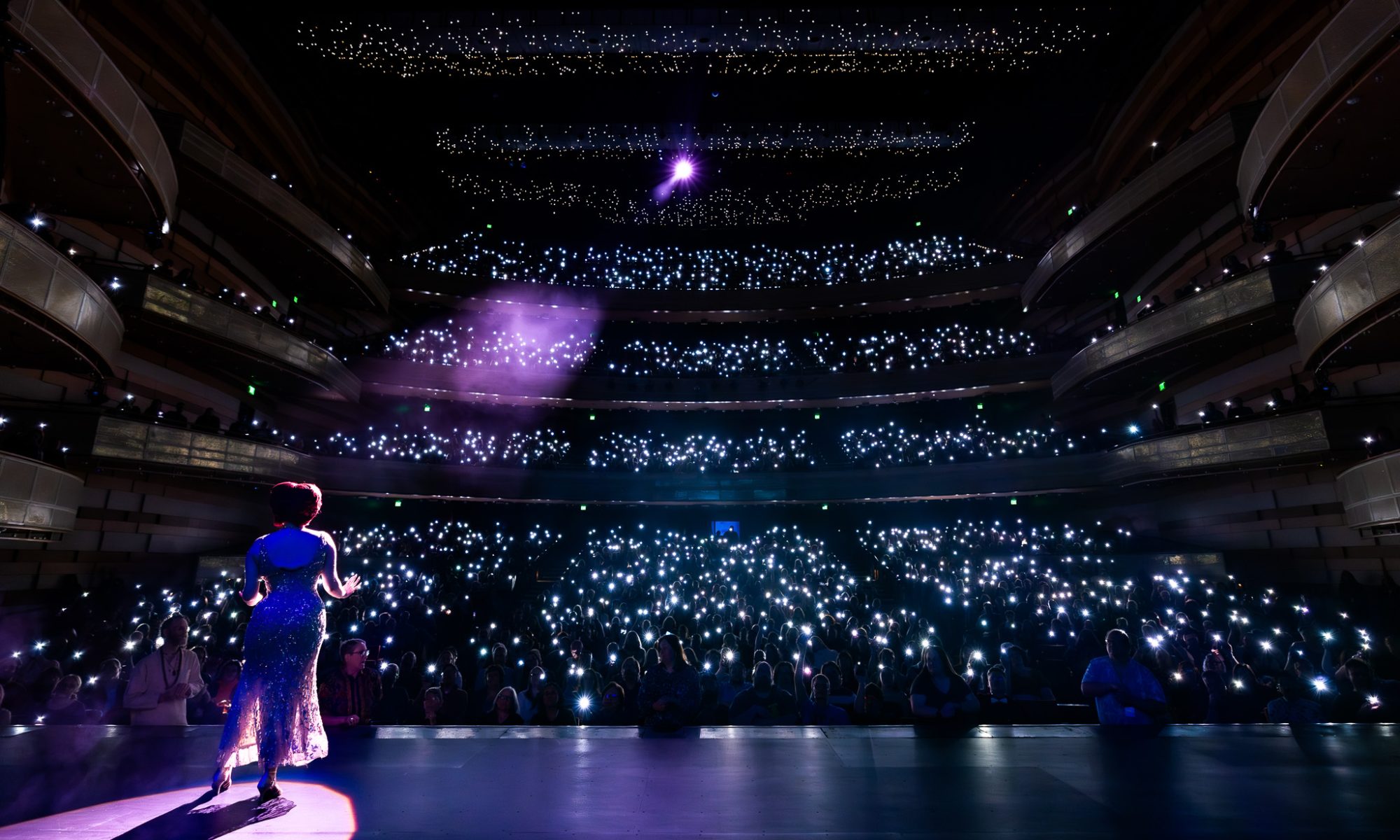
Lucy Darling • April 3, 2026 • Eccles Theater
Photographed by James Murphy
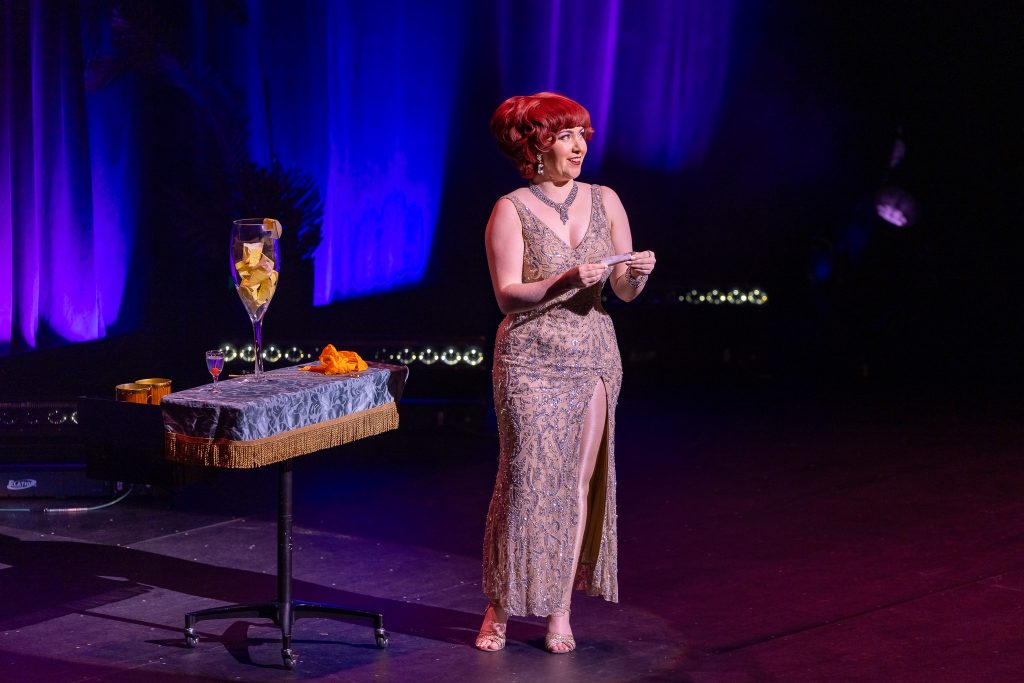
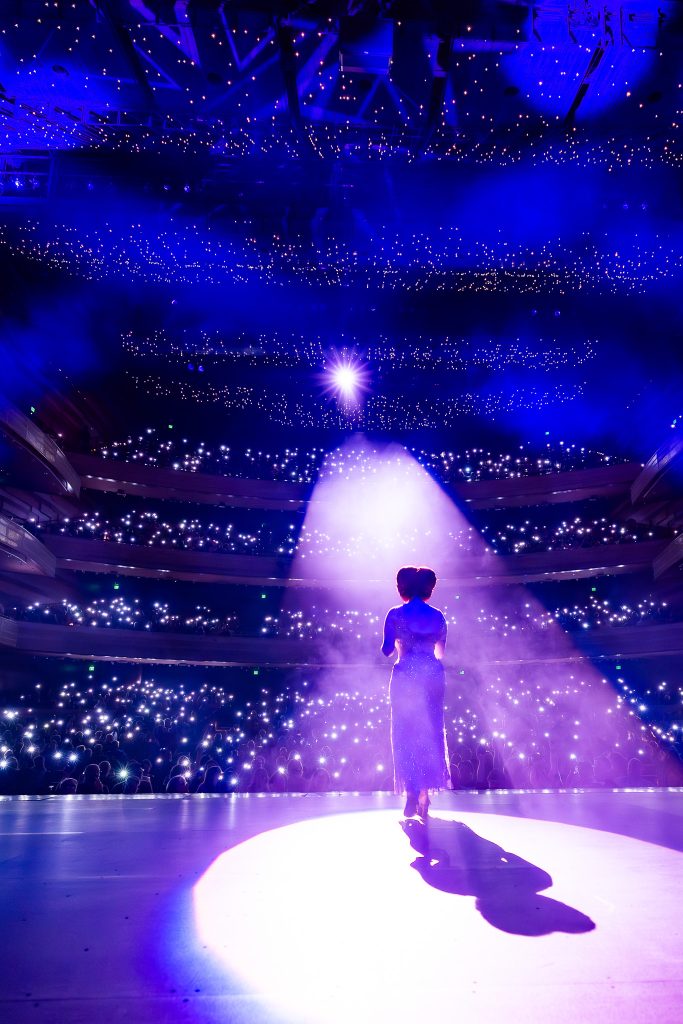
Lucy Darling delivered a show that blurred the lines between magic, comedy, and character-driven theater. The Eccles Theater’s polished design and intimate seating created the perfect setting for a performer whose strength lies not just in illusion, but in personality and presence.
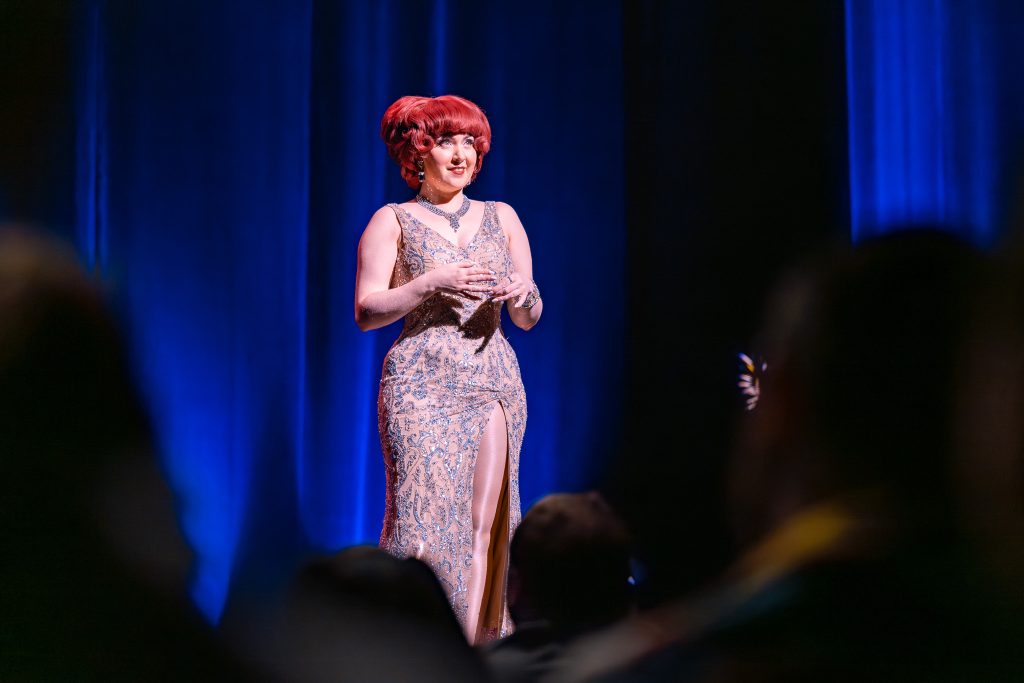
For those unfamiliar with Lucy Darling, here is a brief bio pulled from Wikipedia…
“Carisa Hendrix (born 1987) is a Canadian magician, comedian, and fire eater who often performs in the persona of Lucy Darling, inspired by the wisecracking socialite characters from the Golden Age of Hollywood.“
Darling commanded attention with a persona that felt both exaggerated and strangely believable. Poised yet chaotic, refined yet delightfully self-indulgent, she built a character that was as much the centerpiece of the evening as any trick she performed. Lucy took her time establishing her rhythm, drawing the audience into her world through clever dialogue and perfectly timed pauses.
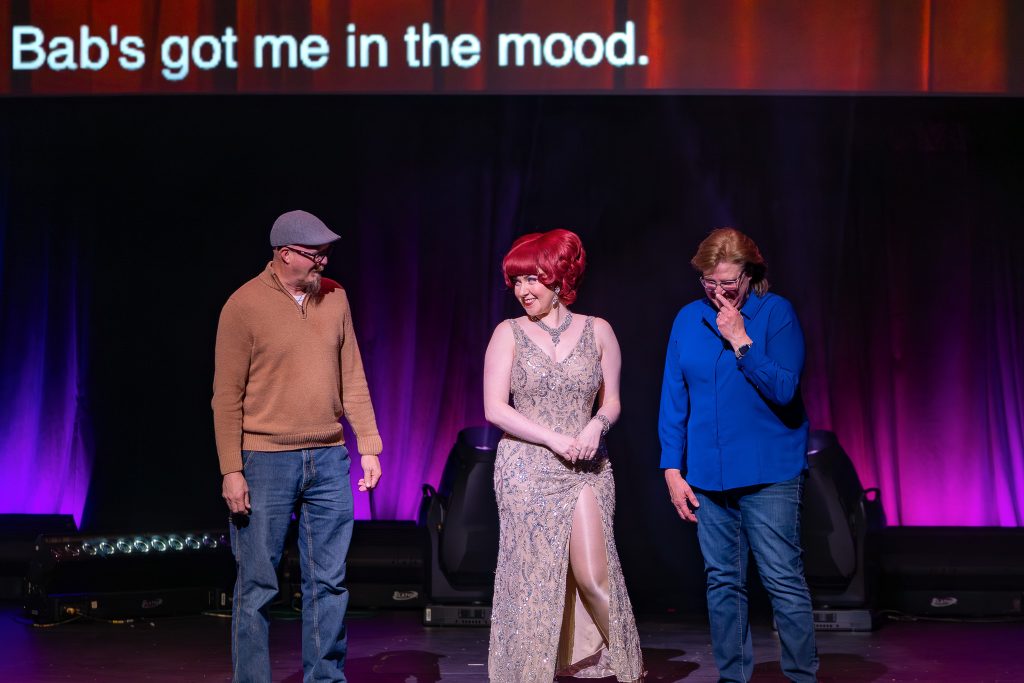
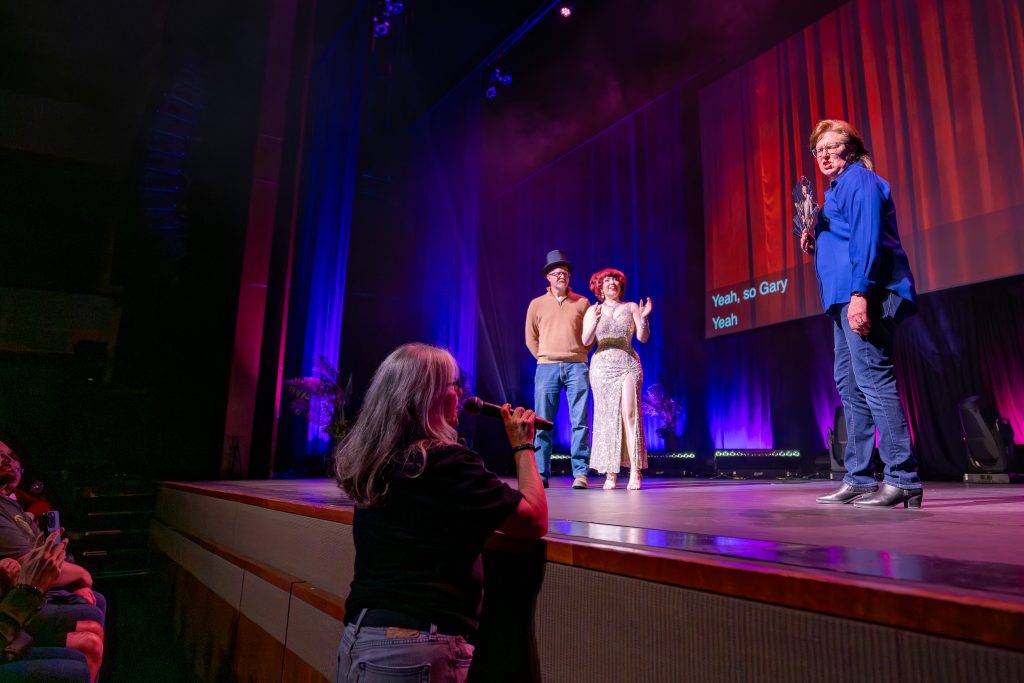
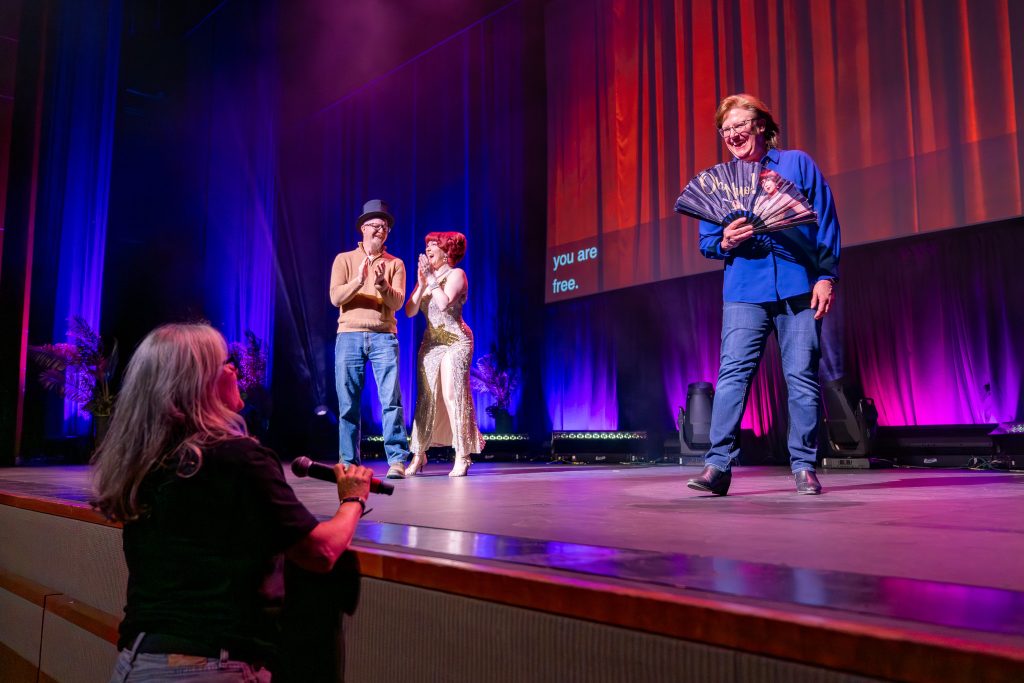
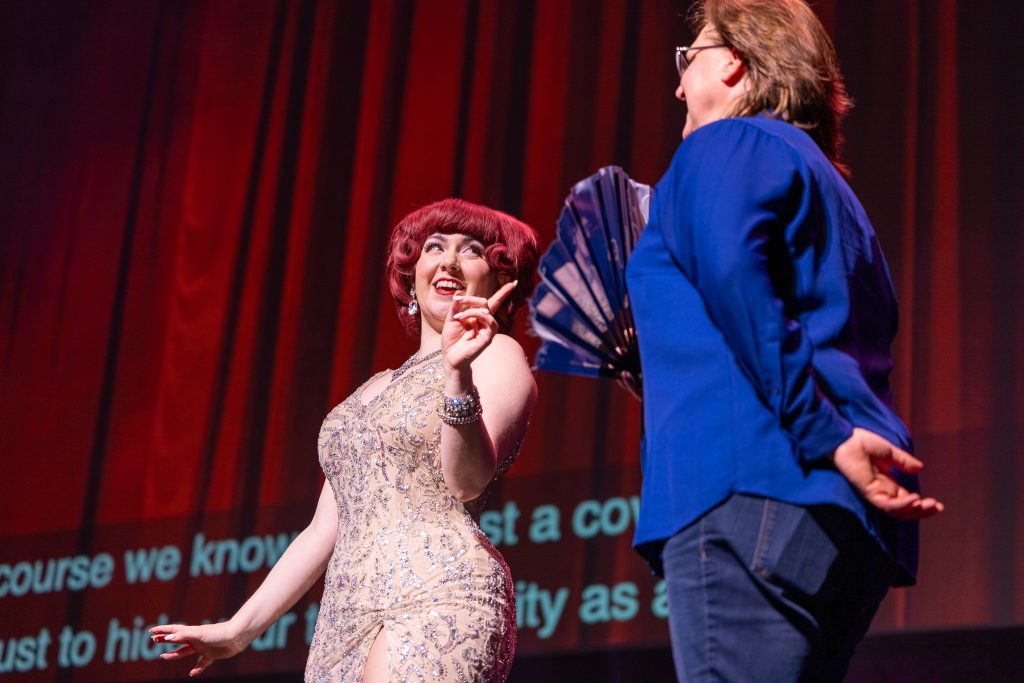
What stood out in the performance, was its reliance on interaction. Lucy Darling didn’t treat the audience as passive observers; she turned them into collaborators. Volunteers were brought onstage and woven seamlessly into the act. Often becoming the source of some of the biggest laughs of the night. These moments never felt forced or uncomfortable. Instead, they unfolded naturally, guided by her quick thinking and sharp comedic instincts. Each exchange carried an element of unpredictability, giving the show a fresh, unscripted energy.
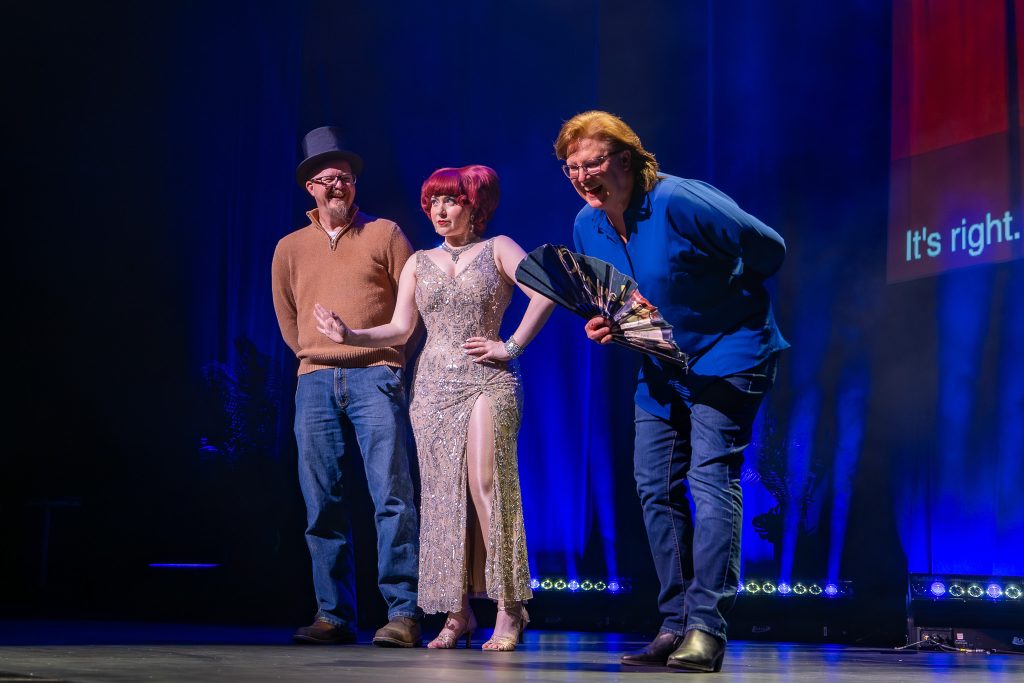
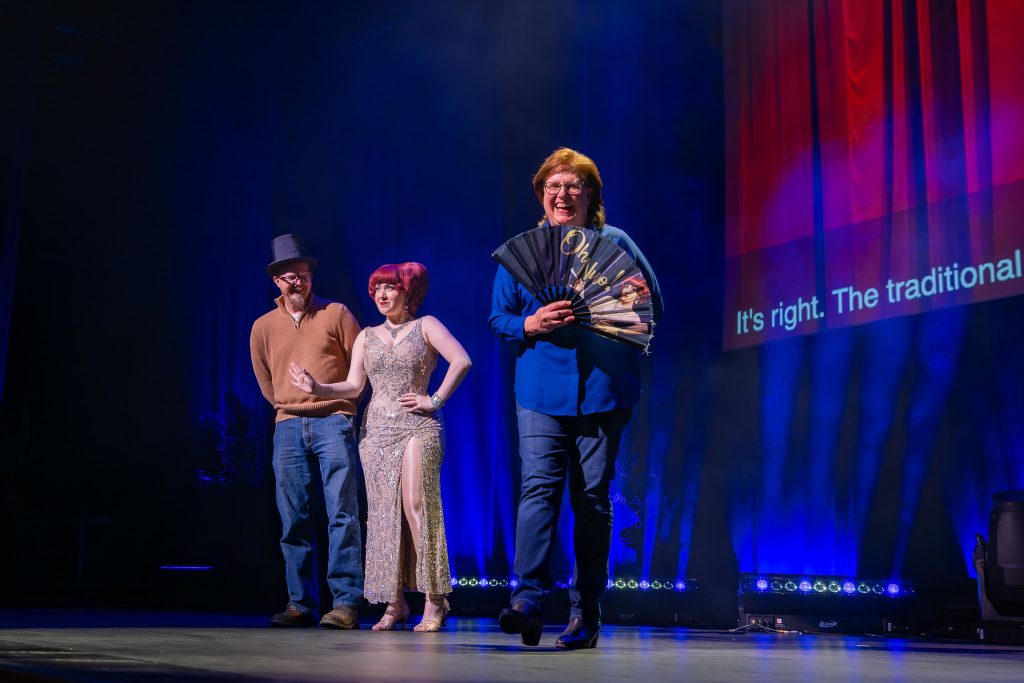
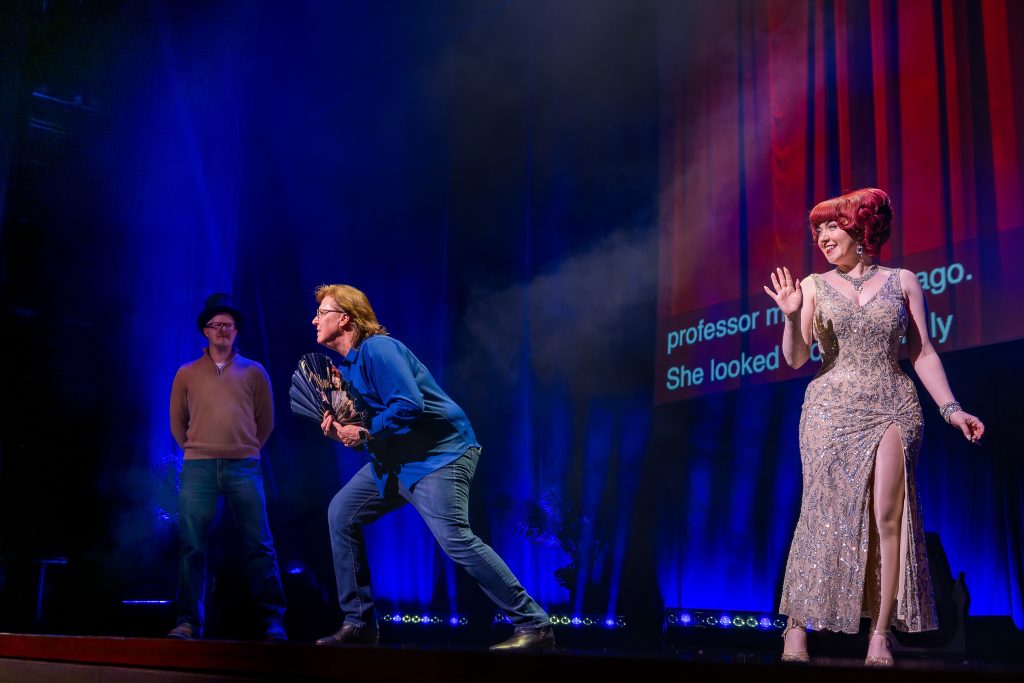
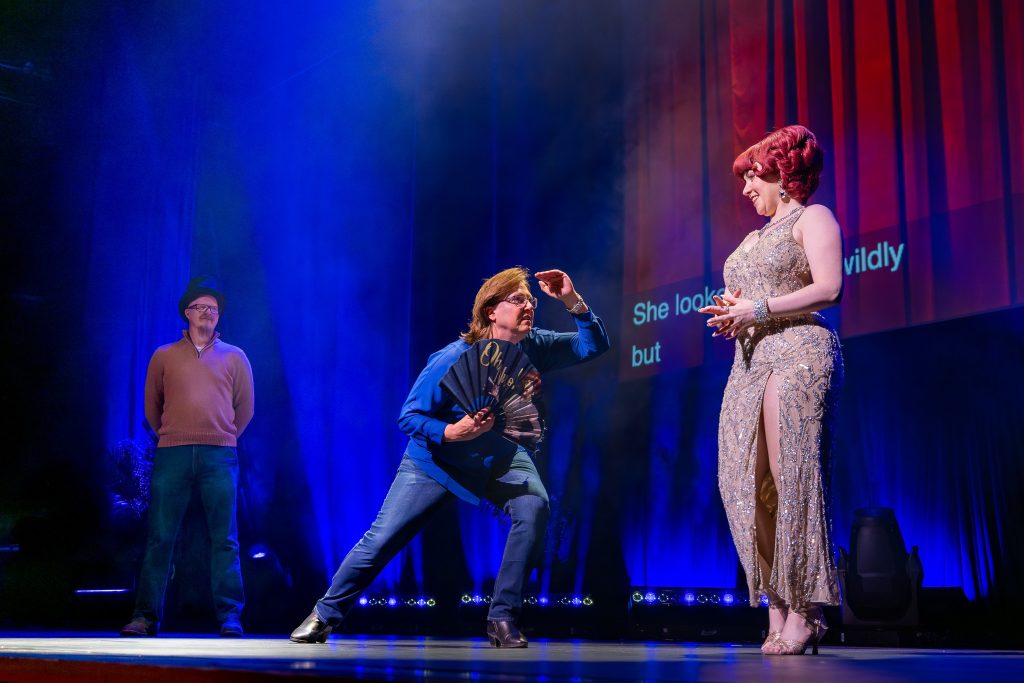
The magic itself was understated but effective. Rather than relying on large-scale illusions or flashy spectacle, Lucy Darling focused on close-up style tricks that emphasized detail and timing. I thought his approach worked in her favor, which kept the audience engaged not just with the tricks but with the humor and storytelling layered around them.
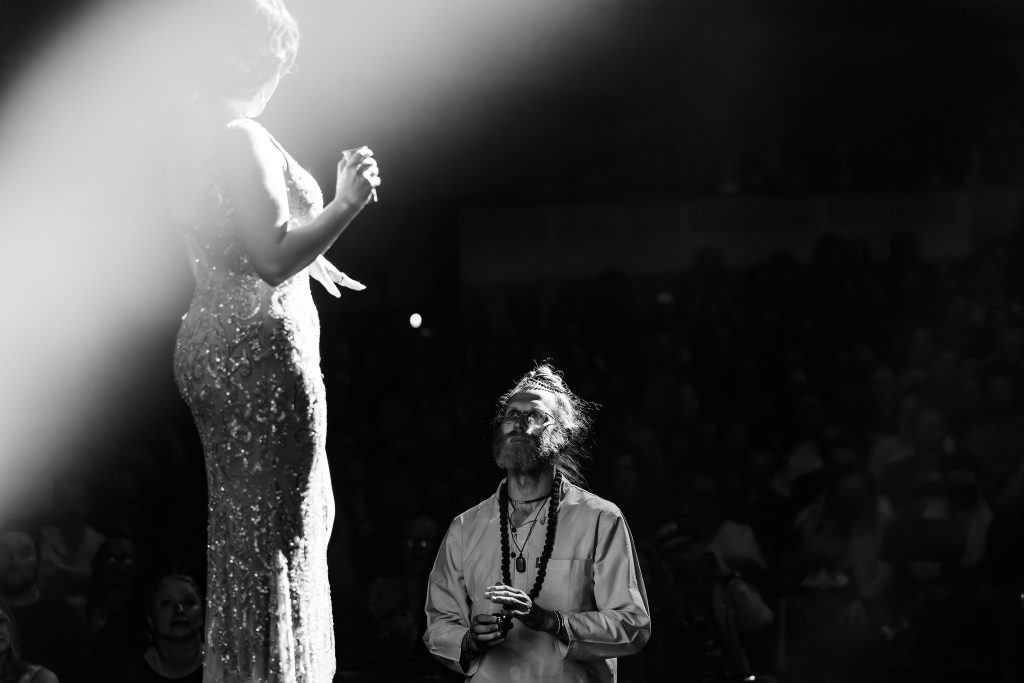
Her comedic style leaned heavily into dry wit and playful arrogance, creating a character that was both endearing and absurd. She had a knack for stretching a joke just long enough to build tension before delivering a punchline that landed with precision. The humor often came from the contrast between her elegant demeanor and the ridiculous situations she created, a balance that kept the audience consistently engaged. Darling incorporated some aspects of the Utah culture into her comedy. Even joking about funeral potatoes and how Utahns scare her. Many of these pinpoint jokes drew some of the largest laughs of the night.
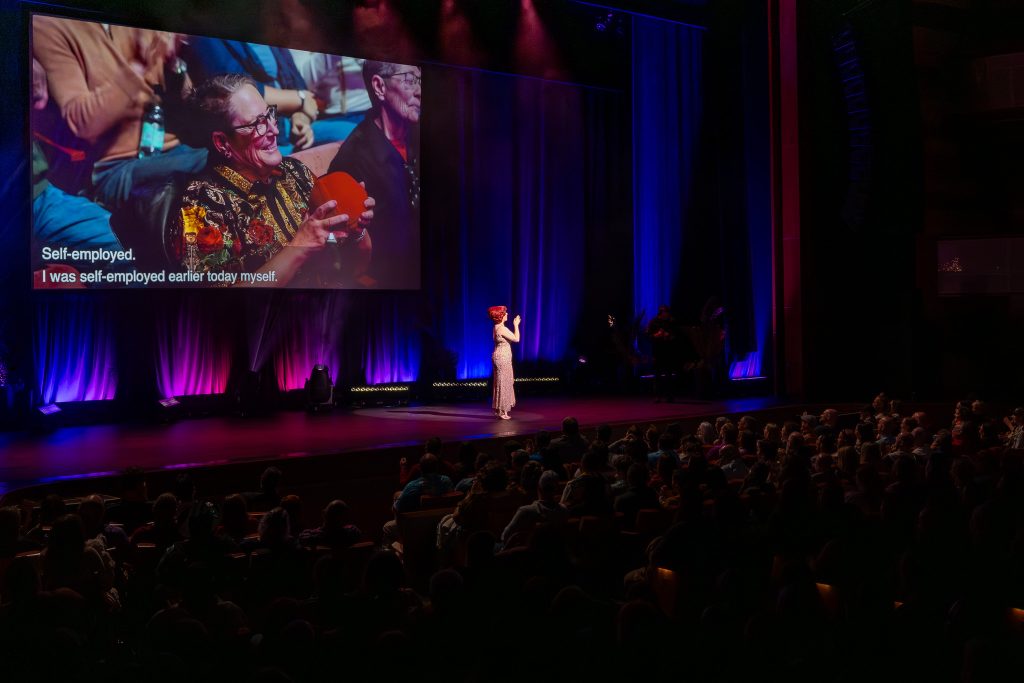
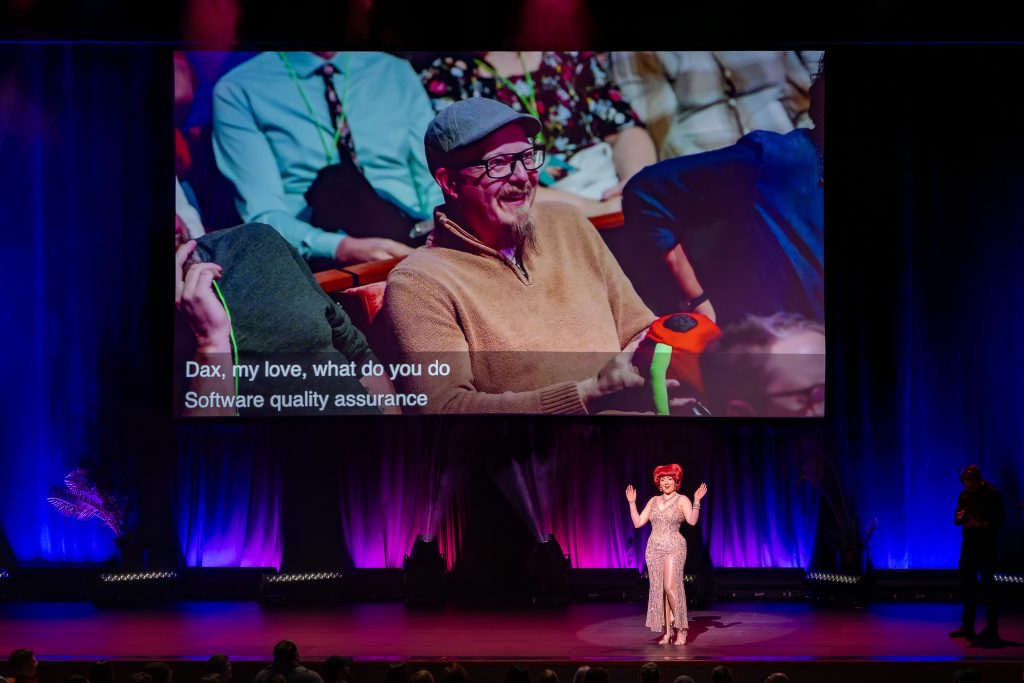
Pacing played a key role in the success of the show. There was a steady flow from one segment to the next, with no noticeable dips in energy. Even transitions felt intentional, often used as opportunities for additional humor or audience engagement. This sense of momentum kept the performance feeling tight and cohesive, despite its seemingly spontaneous nature.
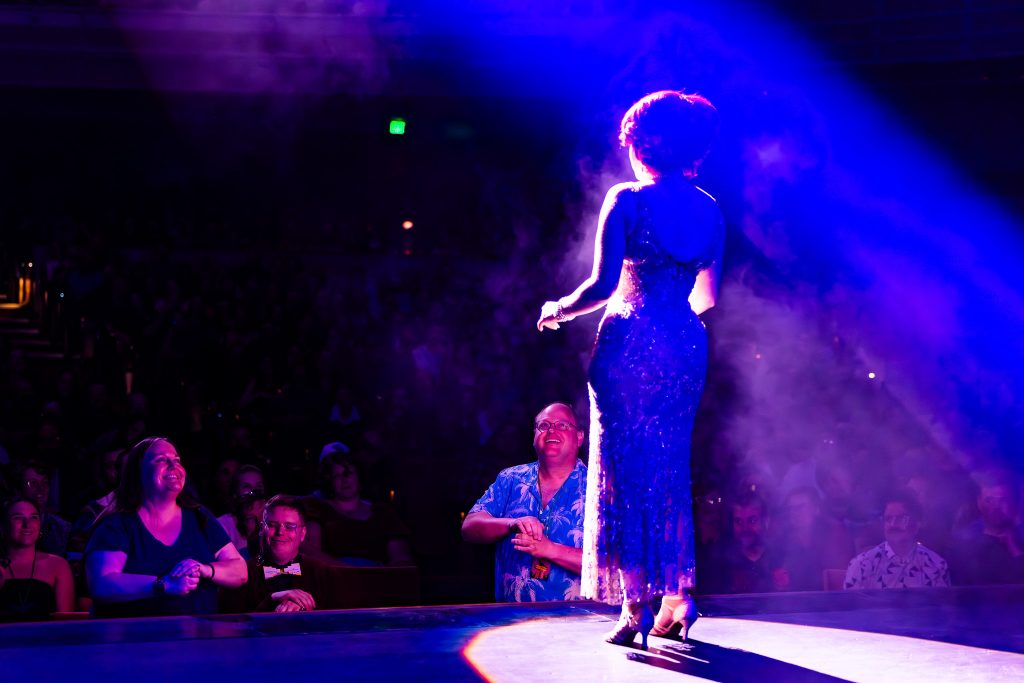
The setting itself enhanced the experience in meaningful ways. The design of Eccles Theater allows for strong sightlines and an intimate connection between performer and audience, which is essential for a show built on nuance. Small gestures, subtle expressions, and quiet moments all carried weight, ensuring that even the more delicate parts of the act landed effectively. I don’t think I’ve ever been to a performance at Eccles Theater where the venue didn’t enhance the experience.
Perhaps the most impressive aspect of Lucy Darling’s performance was how effortlessly it balanced polish with unpredictability. It was clear that the structure of the show was carefully crafted, yet it never felt rigid. Instead, it left room for improvisation and audience-driven moments, giving each performance a unique quality.
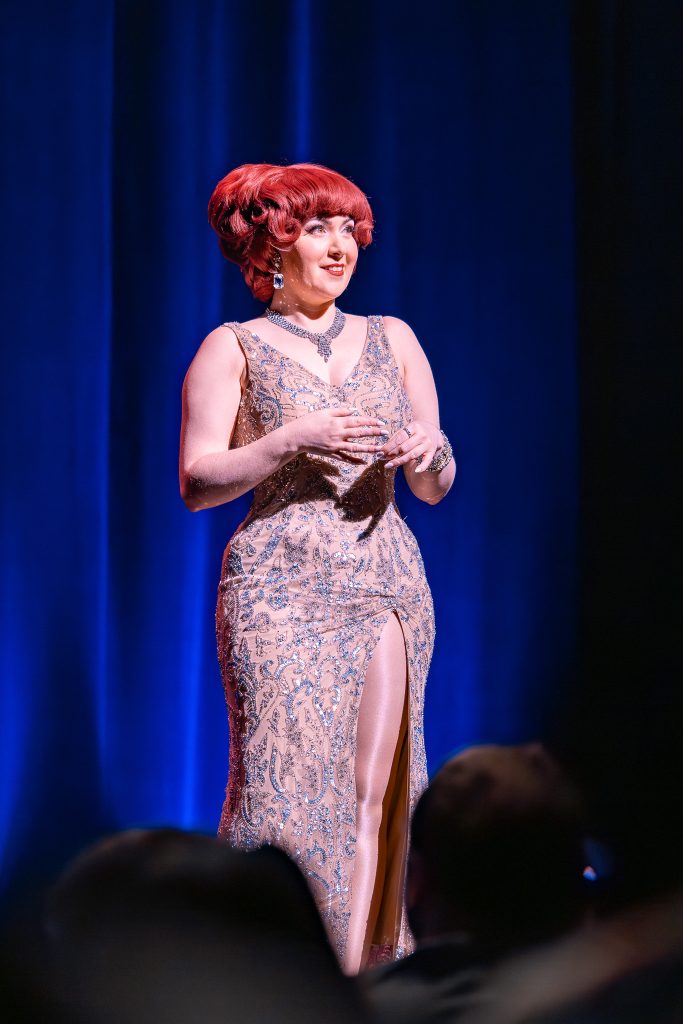
Lucy Darling offers something different from a traditional magic or comedy show. Rather than focusing solely on spectacle, she creates an experience rooted in character, humor, and connection. The result is a performance that feels personal, engaging, and memorable.
As the show ended and the audience filed out into the Salt Lake City night, there was a lingering sense of having witnessed something both clever and refreshingly original. Lucy Darling created a world, invited the audience into it, and left them laughing long after the curtain fell.