
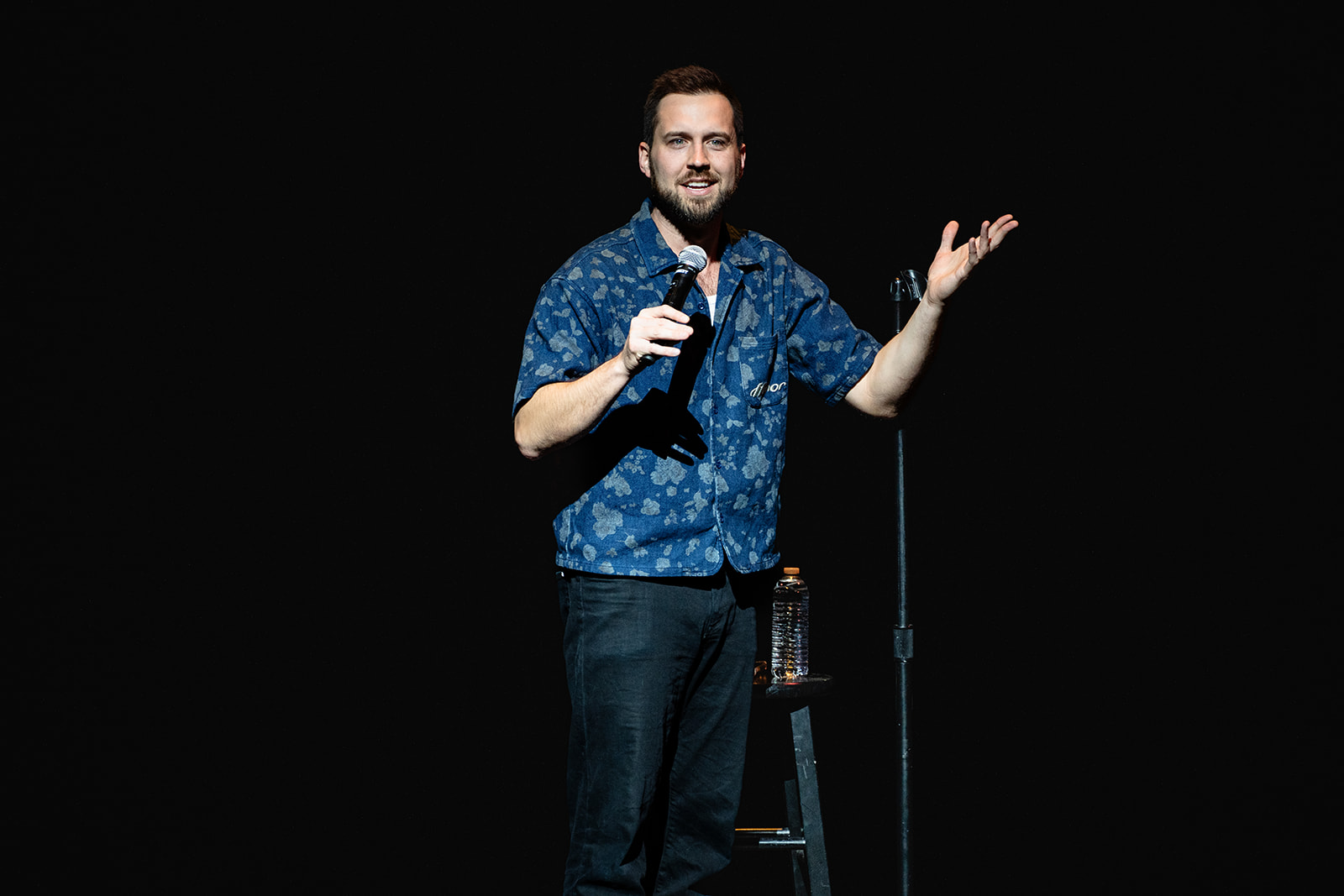
Trey Kennedy • March 20, 2026 • Eccles Theater
Reviewed and Photographed by Alisha Gregson
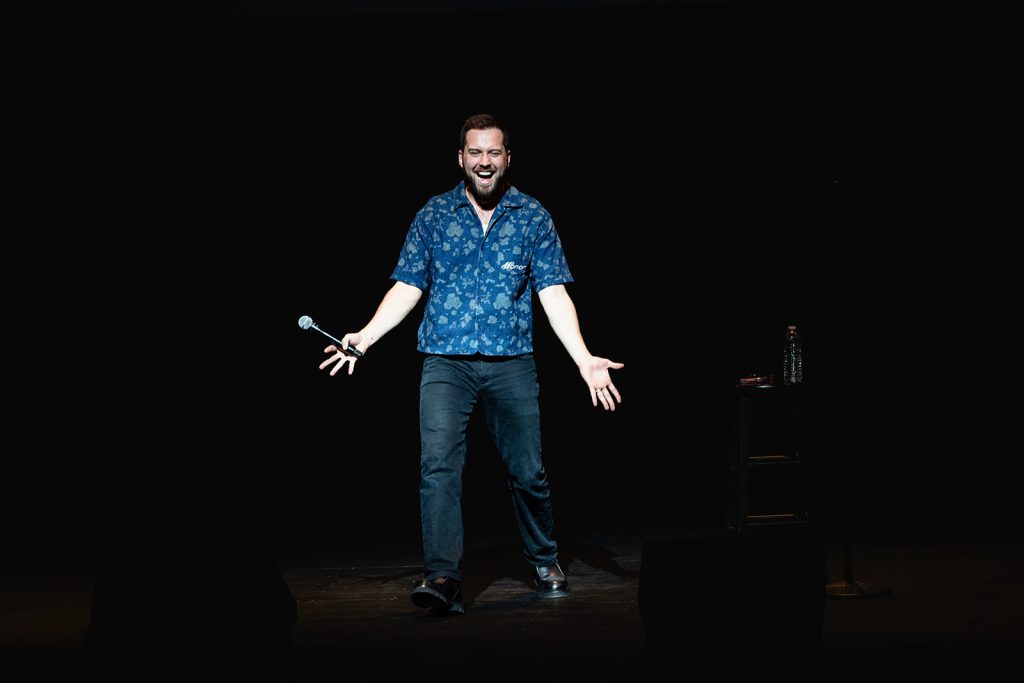
Trey Kennedy brought a night of comedy that felt both intimate and effortlessly entertaining. His stop in Salt Lake City showcased a comedian who has successfully made the leap from digital fame to the live stage, delivering a performance that resonated with a wide-ranging audience without ever feeling forced.
Lucas O’Neil
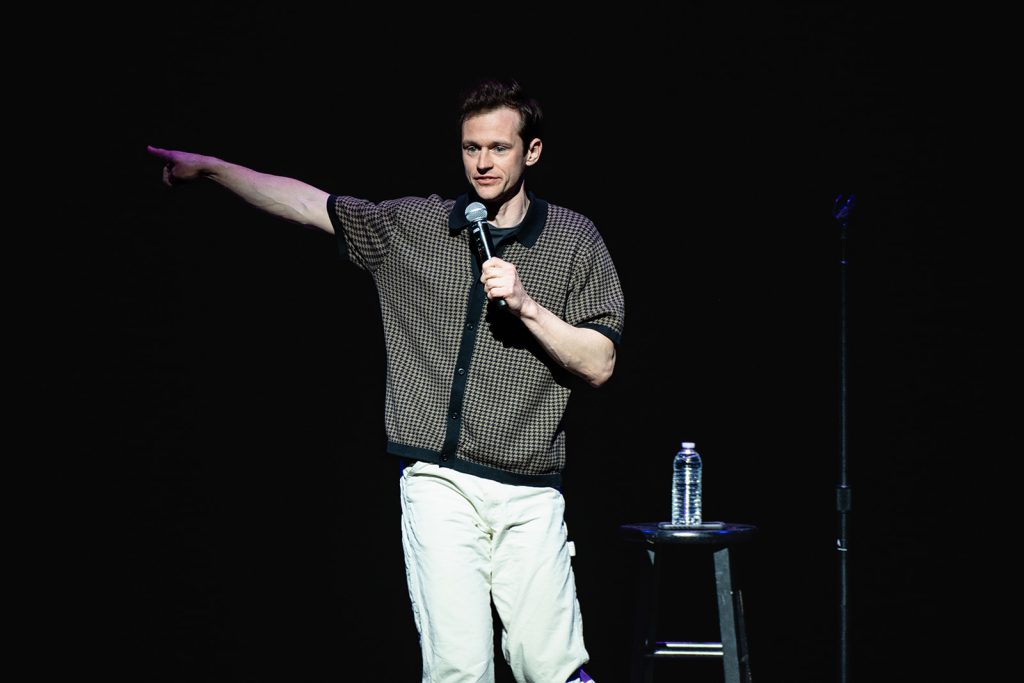
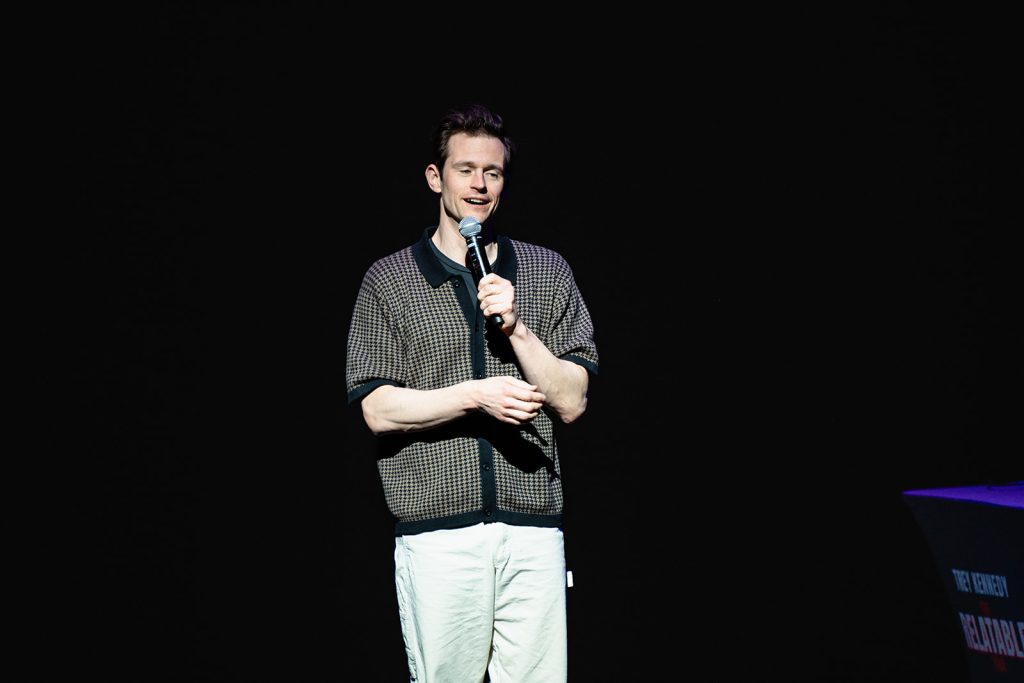
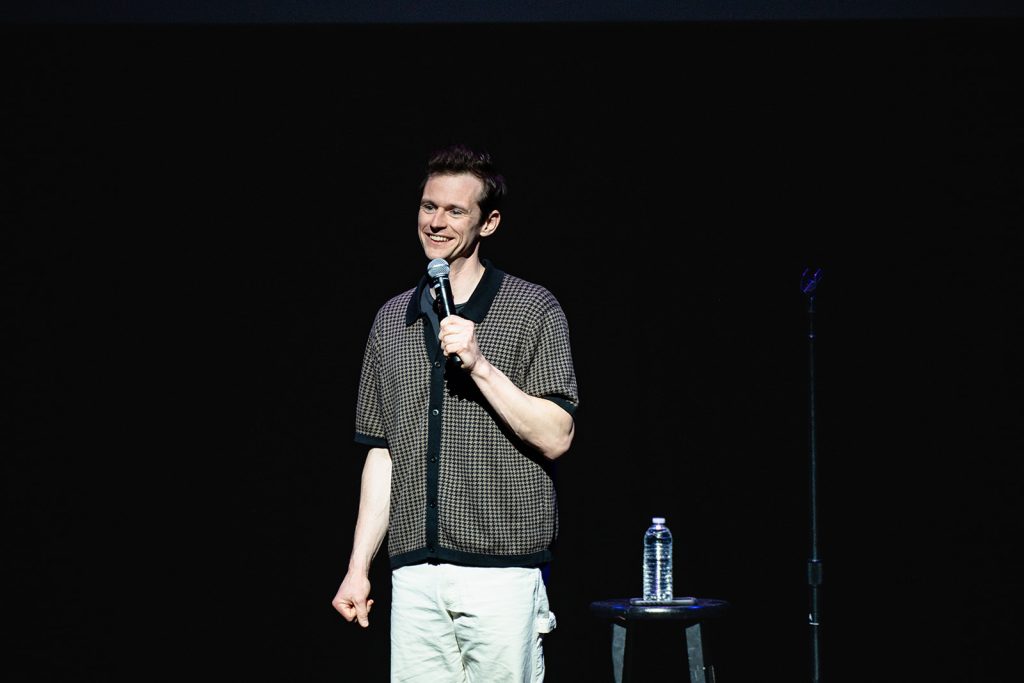
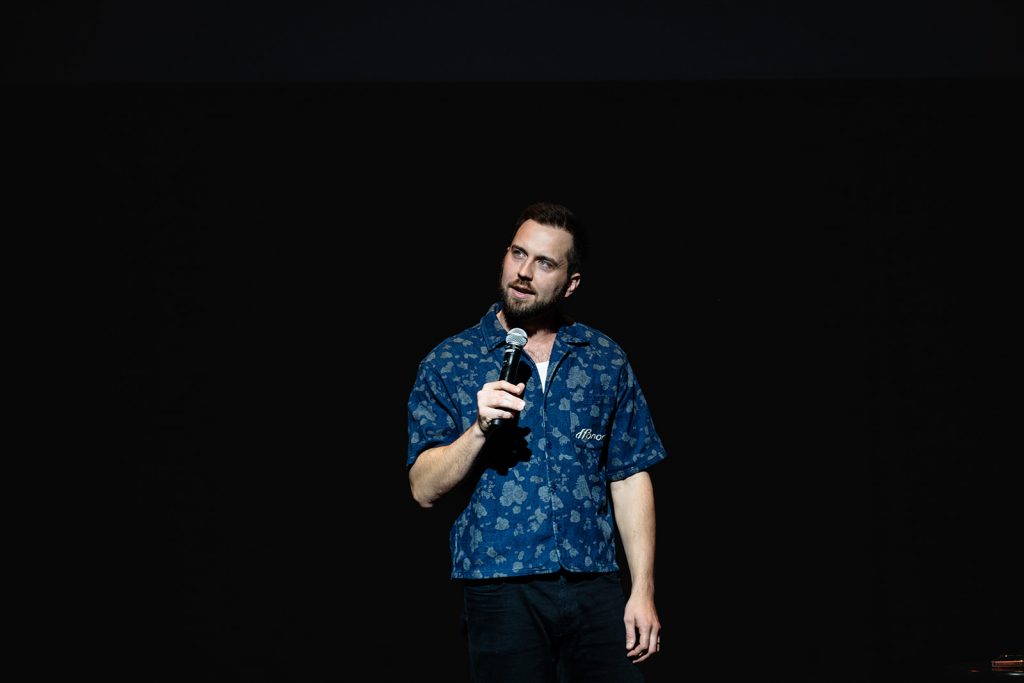
Chicago-based comedian Lucas O’Neil took the stage to get the laughter inside Eccles Theater started. I thought he was a complementary support for Trey. His comedy style seemed to connect with the Utah crowd. Joking about dressing and looking like a Mormon had the Salt Lake crowd laughing. He took people showing up during his set in stride. I enjoy when openers make light of what must be the tricky interruption of people filing in.
He shared stories of his upbringing and life, which drew the audience in and had them ready for Trey Kennedy. I could see O’Neil doing well if he headlined a Utah comedy club.
Trey Kennedy
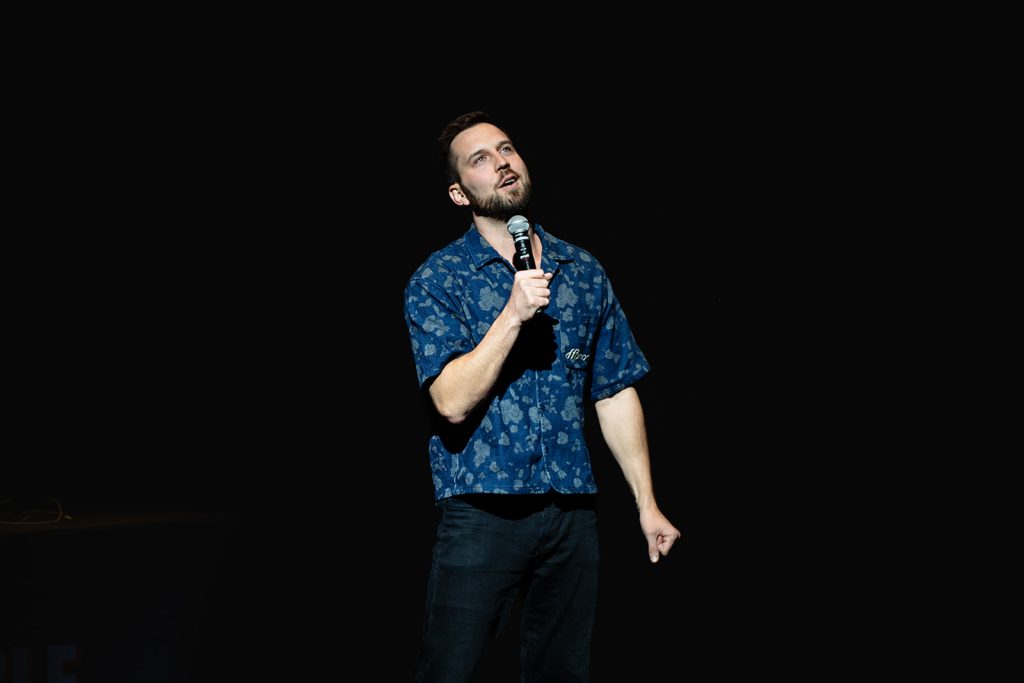
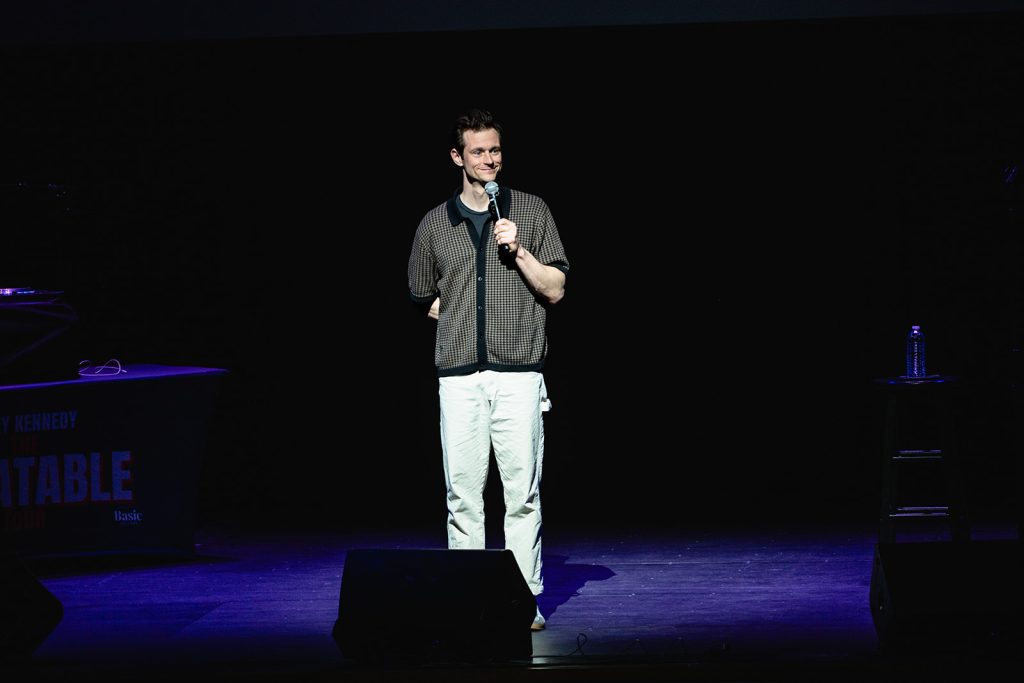
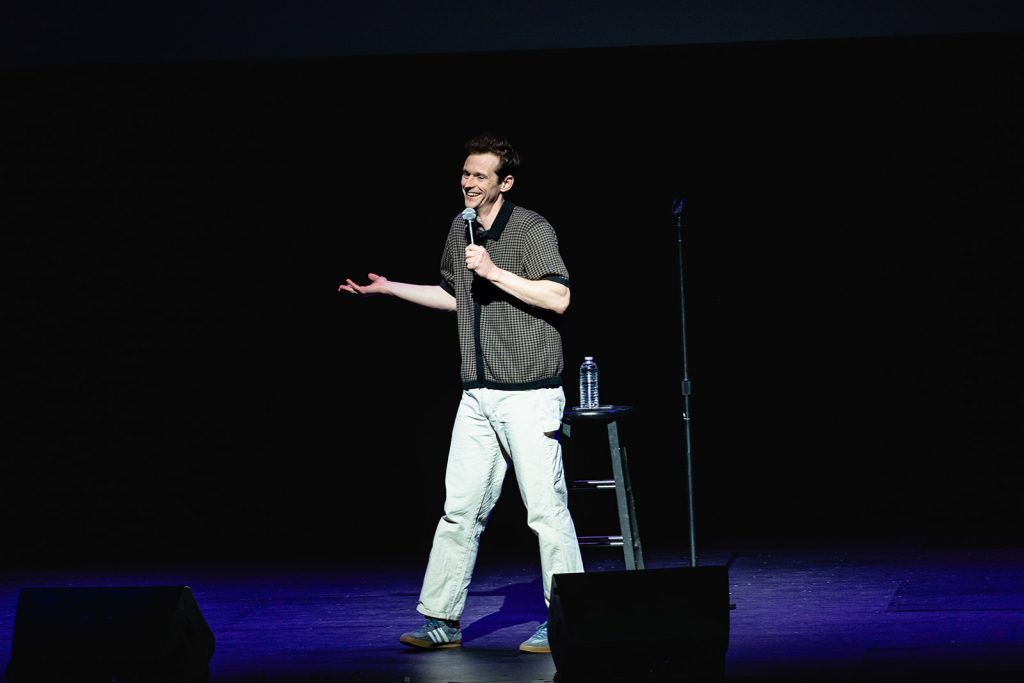
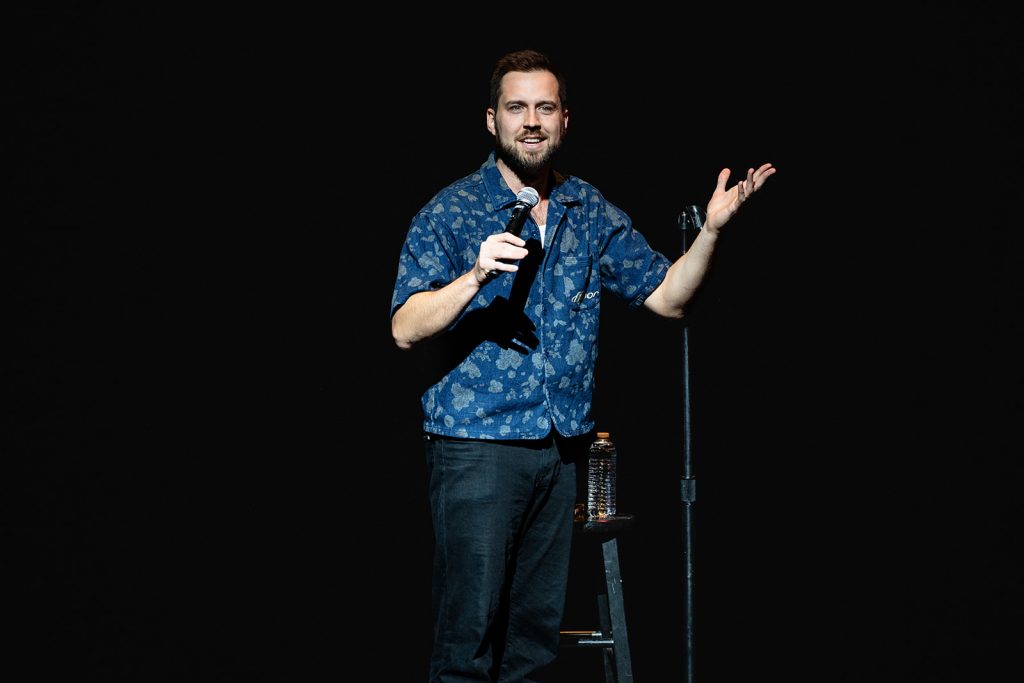
From the moment he walked on stage, Kennedy carried a relaxed, confident energy that immediately set the tone. There’s a familiarity to him—fans who have followed his online content recognized his voice and cadence right away—but what stood out most was how naturally he translated that presence into a full-length stand-up set. Rather than leaning on quick, bite-sized humor, he expanded his style into longer, more developed bits that allowed his storytelling ability to shine.
The Relatable Tour was the perfect name for the material Trey Kennedy brought to Eccles Theater. His material thrives on relatability. He draws heavily from everyday life—relationships, social habits, generational quirks—and finds humor in the small, often overlooked details. His approach isn’t about pushing boundaries or diving into controversial territory. Instead, he builds his set around shared experiences, crafting jokes that feel personal while still connecting with a room full of people. The laughter throughout the theater was consistent, often building in waves as he let jokes develop before delivering the payoff.
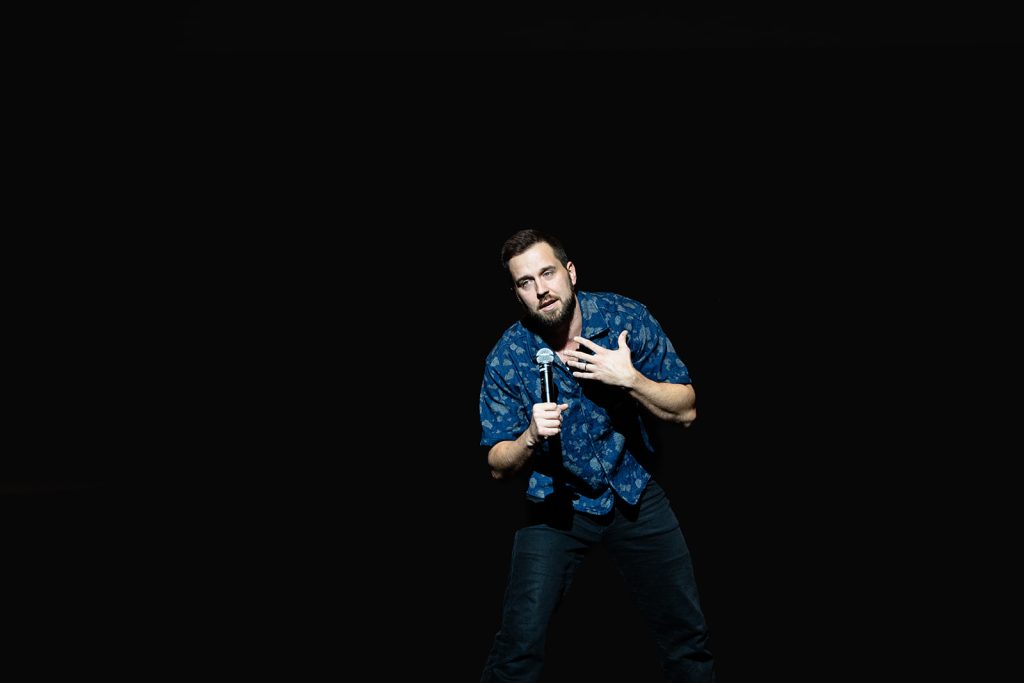
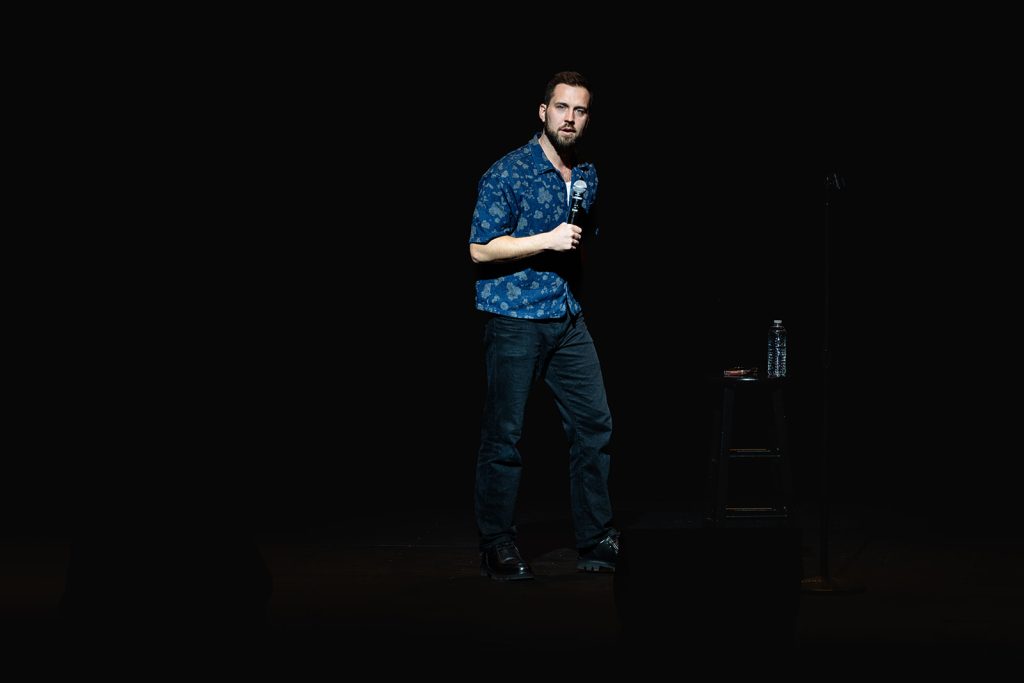
One of the strongest elements of the performance was his pacing. Kennedy has a clear sense of rhythm, knowing when to let a moment breathe and when to move forward. His transitions between topics felt smooth and intentional, giving the set a cohesive flow rather than a collection of disconnected bits. He balanced longer stories with shorter punchlines, keeping the audience engaged without letting the energy dip.
Another highlight was his interaction with the crowd. While much of the material was clearly well-prepared, Kennedy showed a willingness to adapt in the moment. He acknowledged audience reactions, played off unexpected responses, and created a handful of improvised moments that added a layer of spontaneity to the show. It didn’t seem like crowd work was going to be part of his set. But the smooth nature in which Trey interacted then continued on was impressive. These interactions never felt like distractions—instead, they enhanced the overall experience, making the performance feel unique to that particular night.
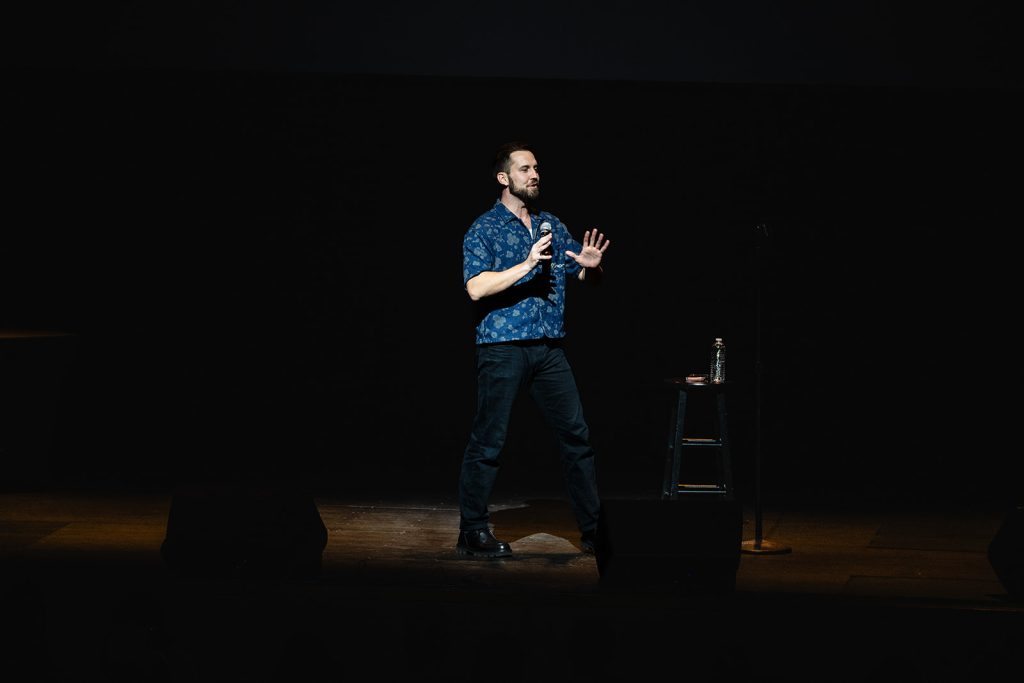
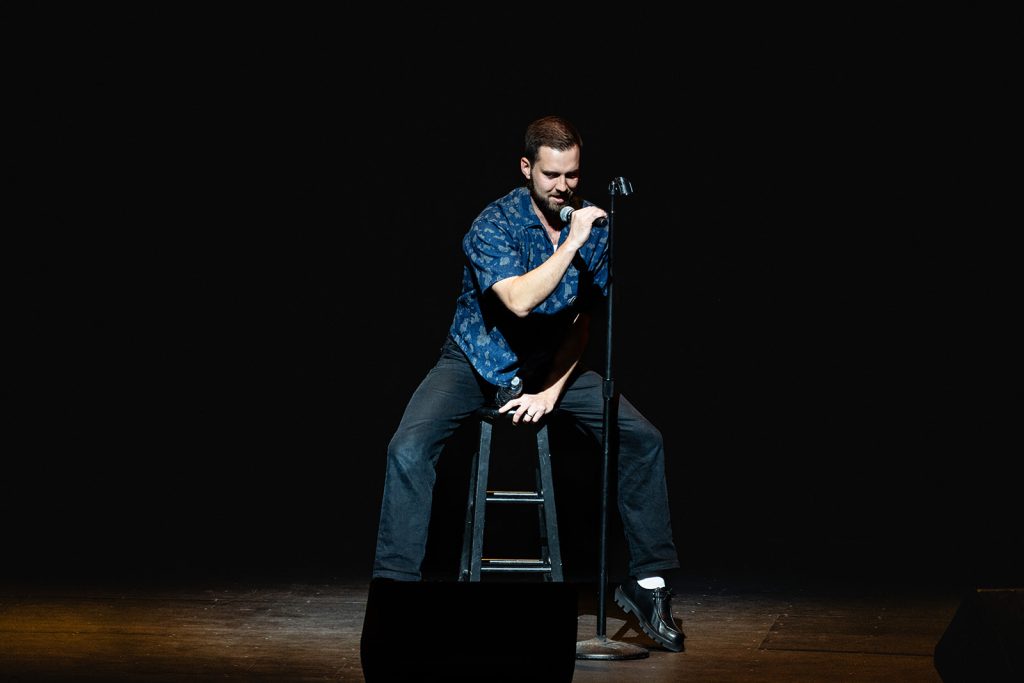
The setting of Eccles Theater played an important role in the success of the show. Its design allows for a strong connection between performer and audience, even in a large space. Kennedy’s style, which often relies on subtle expressions and timing, benefited from this environment. Whether seated close to the stage or farther back, the audience remained engaged, a testament both to the venue and to Kennedy’s ability to command attention.
What’s particularly impressive is how Kennedy has evolved beyond his online roots. While his digital content is hilarious and is known for quick, highly relatable sketches, his live performance demonstrated a deeper level of craftsmanship. He didn’t rely on recycled material or nostalgia from his internet fame. Instead, he presented a set that felt fresh, structured, and purpose-built for a live audience.
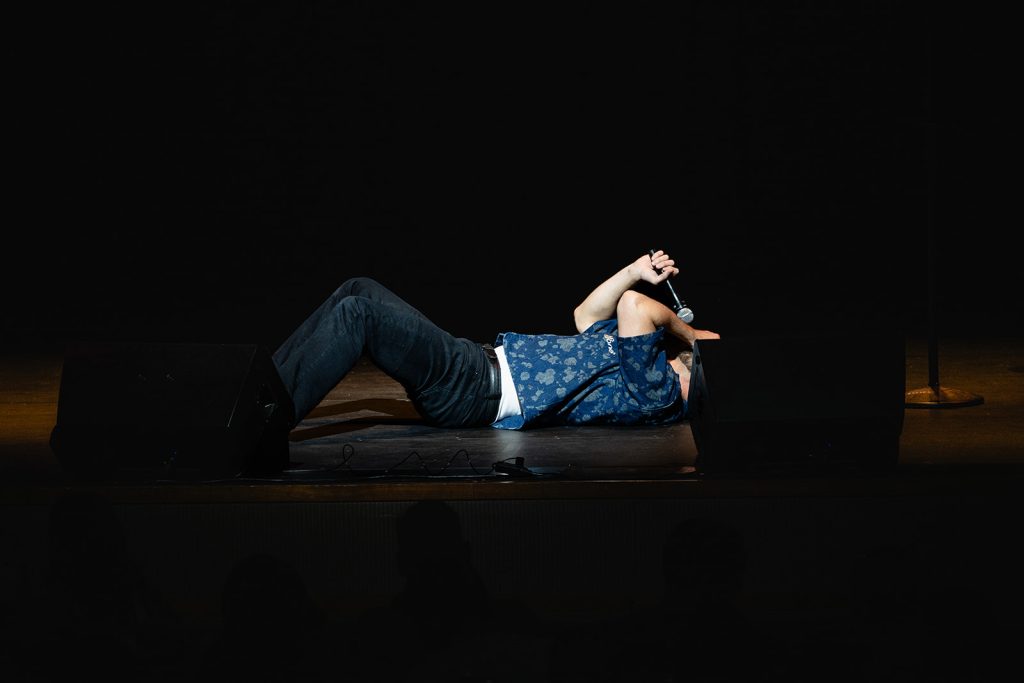
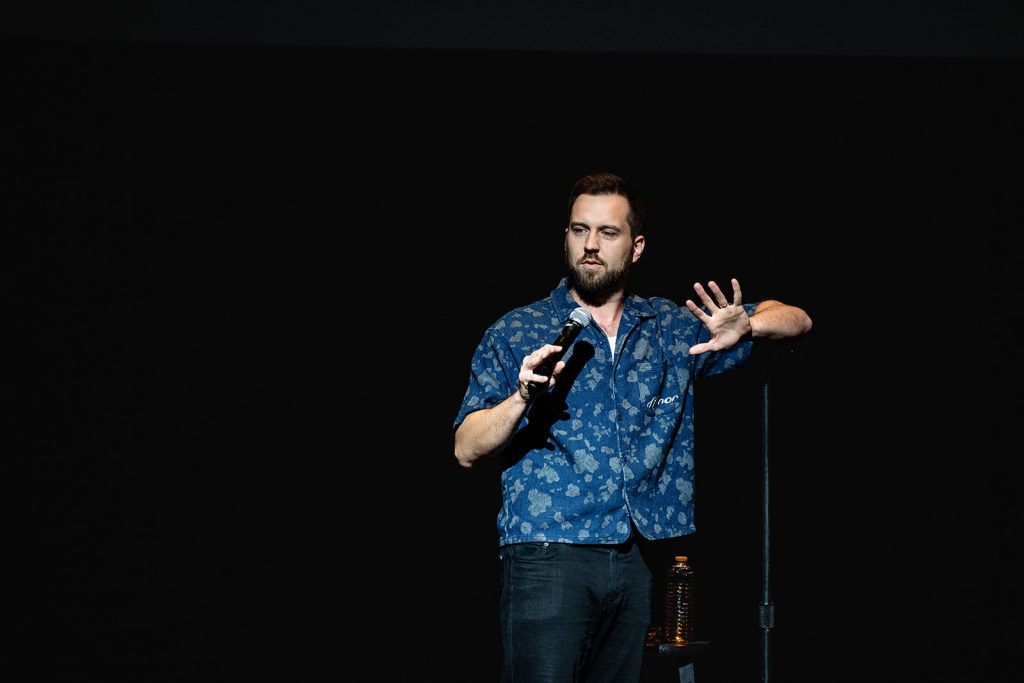
Those who prefer edgier or more provocative comedy may find his material on the lighter side. But for an audience looking for sharp, observational humor that feels grounded and accessible, Kennedy delivers exactly what they came for—and does so with confidence.
By the end of the night, the crowd’s energy hadn’t faded. Kennedy maintained a steady connection with the audience from start to finish, closing the show on a high note that reflected the consistency of the entire performance. It’s clear that he understands his audience well and knows how to meet them where they are without compromising his style.
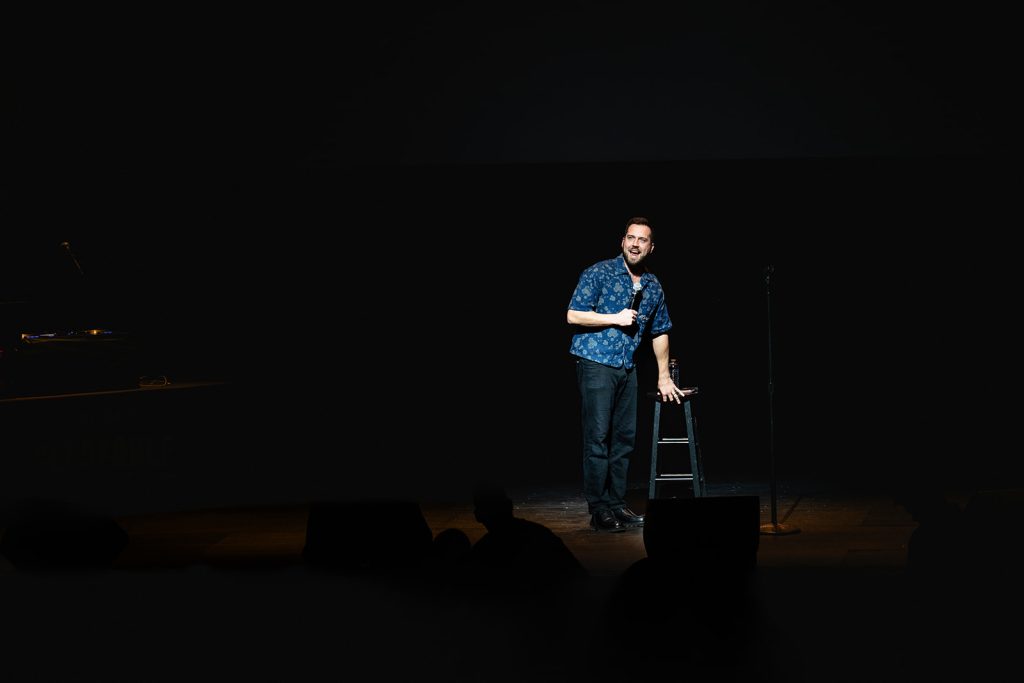
Overall, Trey Kennedy’s performance in Salt Lake City was a polished, engaging evening of comedy. It highlighted a performer who continues to grow in his craft while staying true to the relatability that made him popular in the first place.