
Trans-Siberian Orchestra • Ghosts of Christmas Eve • November 19, 2025 • Delta Center
Reviewed by Kevin Rolfe
Photos by Jason McEachern
Trans-Siberian Orchestra’s annual return to Salt Lake City has become something like a holiday ritual—part spectacle, part nostalgic embrace, and part sheer arena-level thunder. The question could be asked, “Is it even the holidays in Utah if TSO hasn’t played here yet?” Their stop at the Delta Center on the “Ghosts of Christmas Eve†tour carried all the familiar signatures of a TSO performance, but it still managed to feel renewed, sharpened, and emotionally tuned to the crowd that has followed them for decades. This year’s show balanced flash and sentiment with a confidence that only a group this seasoned can pull off.
Even before the lights dropped, the Delta Center buzzed with that particular TSO excitement: families in matching Christmas sweaters, metalheads who’ve followed the band since the late ’90s, and curious first-timers all converged on the arena. When the opening chords hit—clean, ringing, and drenched in reverb—those varied tribes became a single audience. TSO doesn’t warm up; they ignite. A burst of lasers sliced across the rafters, a wall of lights rolled forward like a tidal wave, and the band launched headfirst into the narrative of Ghosts of Christmas Eve, the semi-storytelling concert format they’ve honed into a holiday staple.
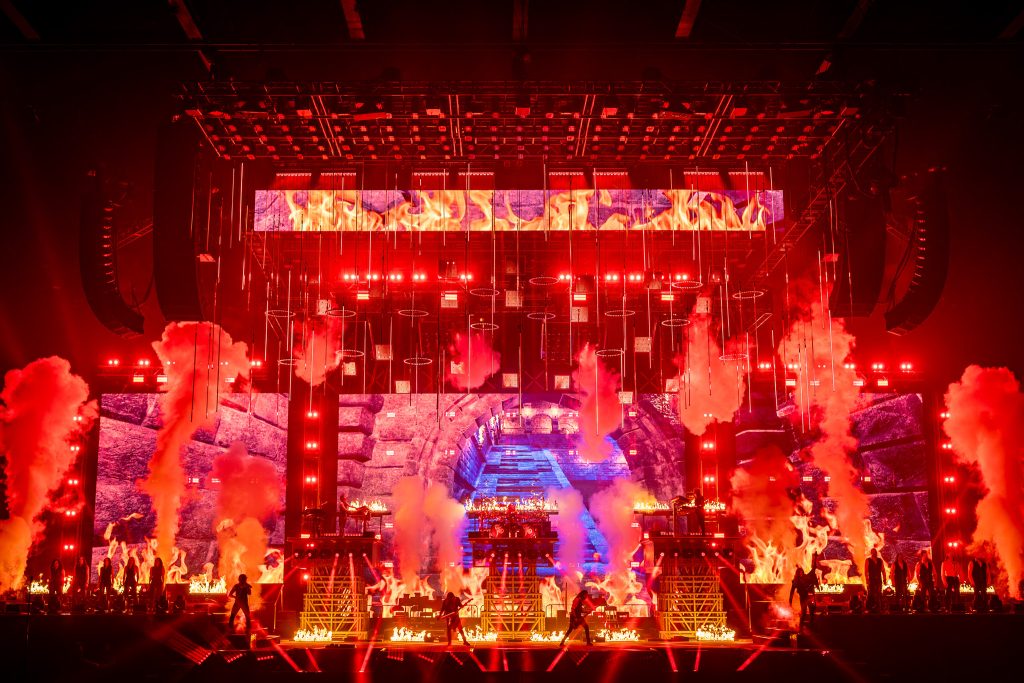
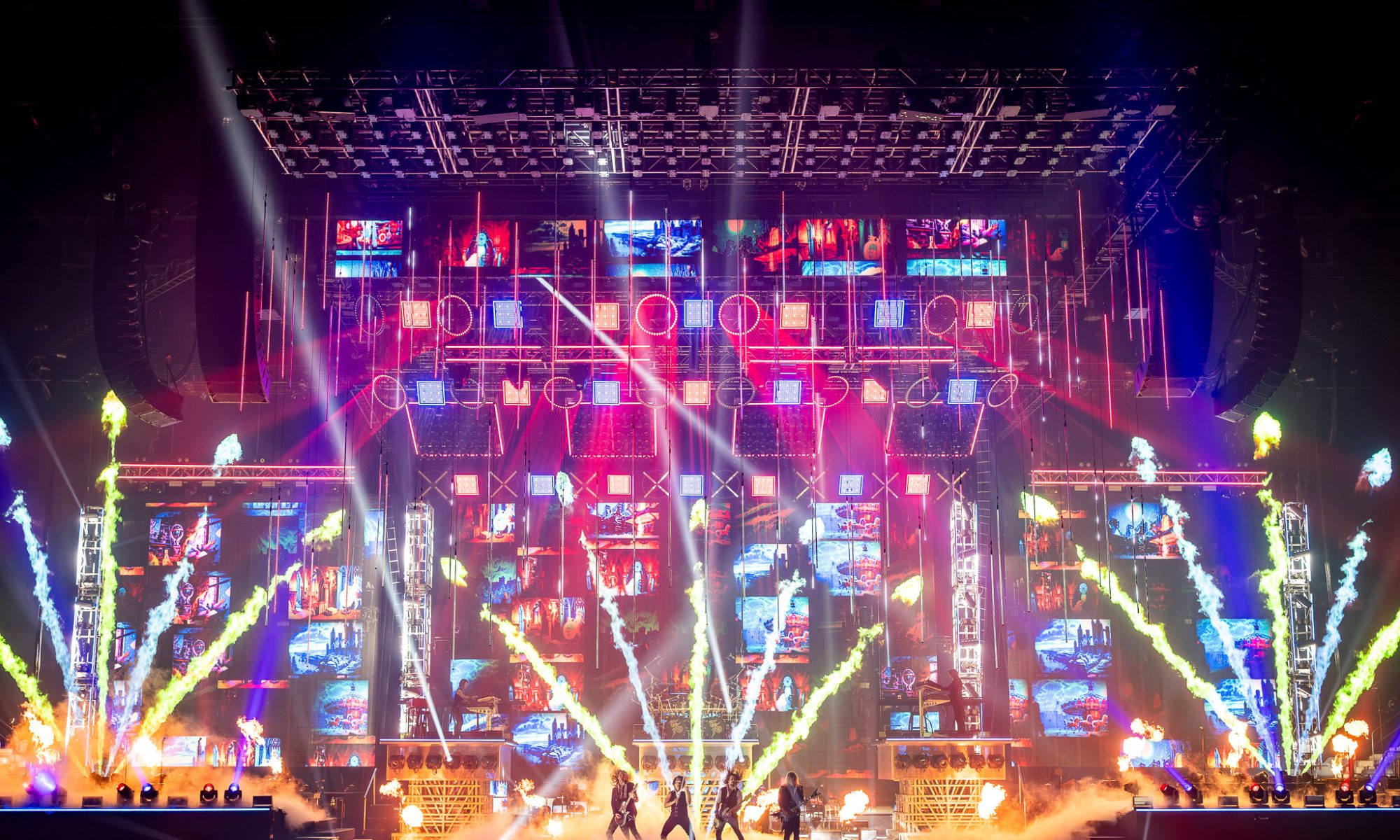
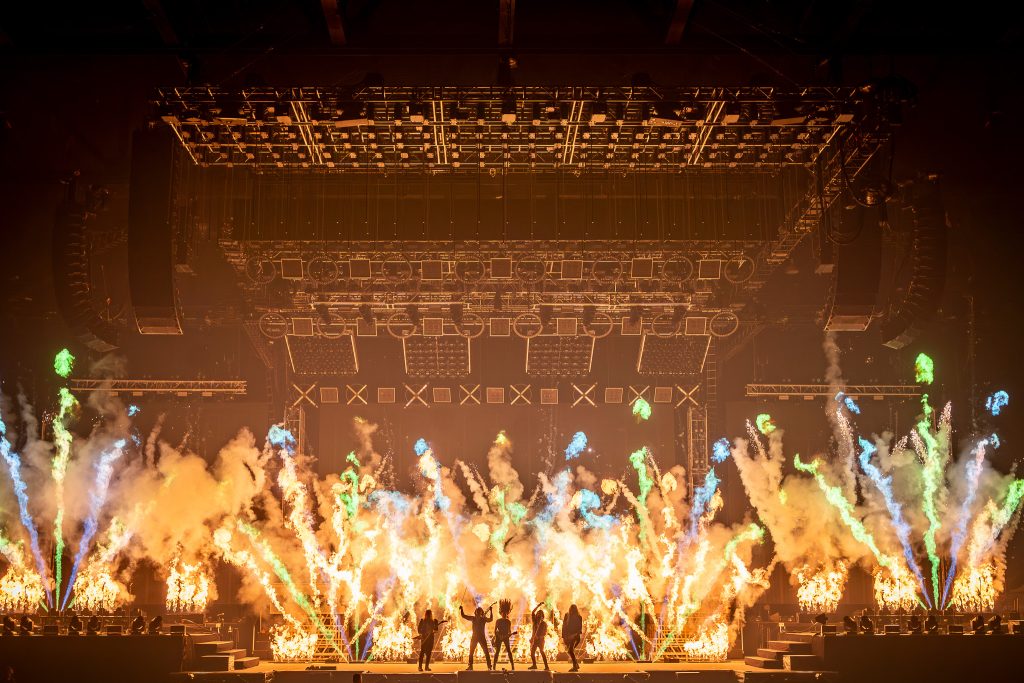
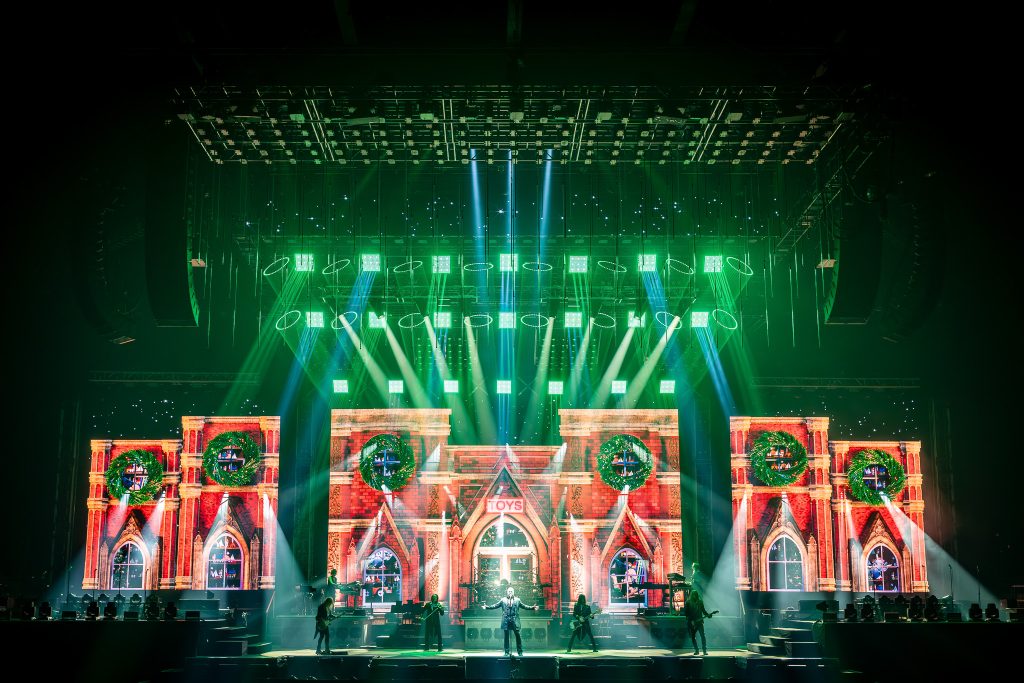
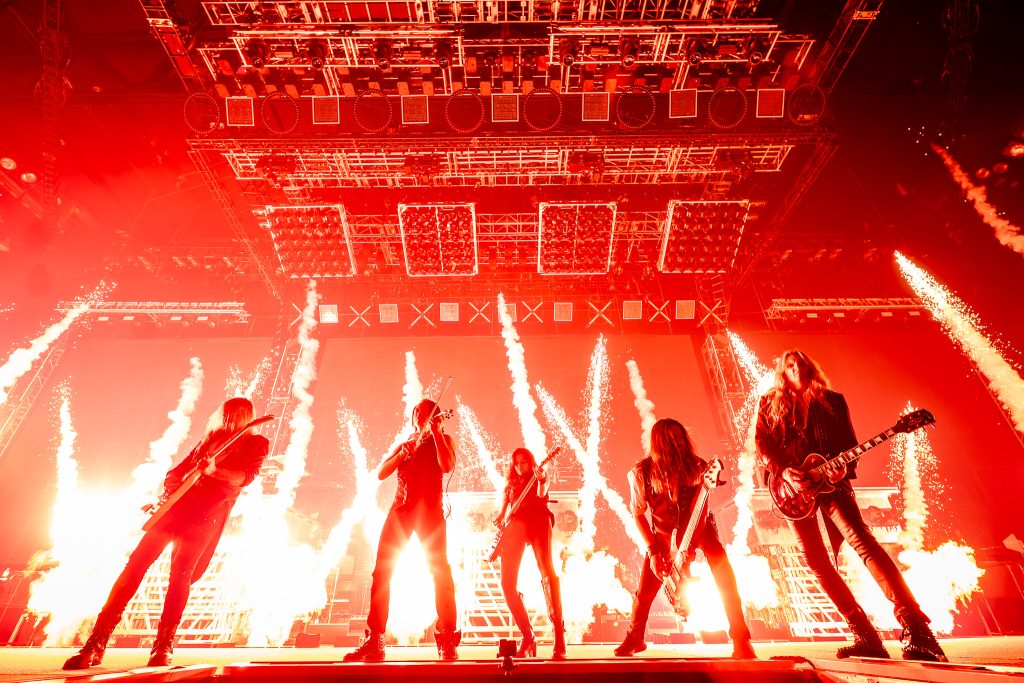
The production remains one of the most defining elements of the tour. TSO treats the stage like a living machine—constantly shifting, rising, and exploding with visual force. Massive LED screens transformed the backdrop into a winter cathedral one moment and a swirling cosmic void the next. Moving trusses descended from above with clusters of lights that swung like mechanical chandeliers. And then, of course, there were the pyrotechnics: fireballs, flame cannons, and sudden eruptions that heated the air so intensely you could feel the heat on your face from several rows back. It’s over-the-top by design, but that’s precisely why it works.
Trans-Siberian Orchestra isn’t trying to create subtlety—they’re leaning into the grandeur. Al Pitrell shared with us that much of the show’s production has been revamped for this tour. The upgrades were noticeable and impressive. Everything seemed that much more sleek while keeping us feeling like it was a true TSO show.
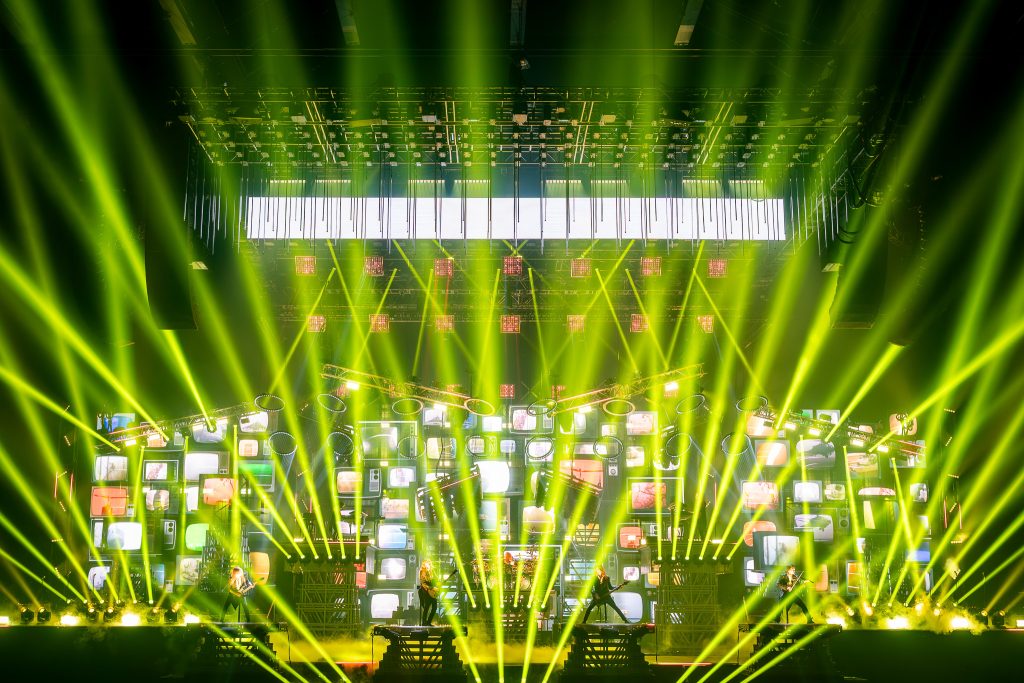
Musically, the band was as tight and expressive as ever. Their blend of progressive rock, classical motifs, and theatrical narration thrives in a large arena. The signature pieces—like “O Come All Ye Faithful / O Holy Night,†“Christmas Eve/Sarajevo 12/24,†and the story-driven vocal tracks—hit with precision. The guitarists shredded with a playful bravado, tearing through arpeggios and harmonized solos while sprinting across the stage to various risers. Violinist, Asha Mevlana, gliding from platform to platform, delivered her solos with an intensity that pushed beyond the technically dazzling; she played with a storytelling sensitivity that anchored the show’s emotional center.
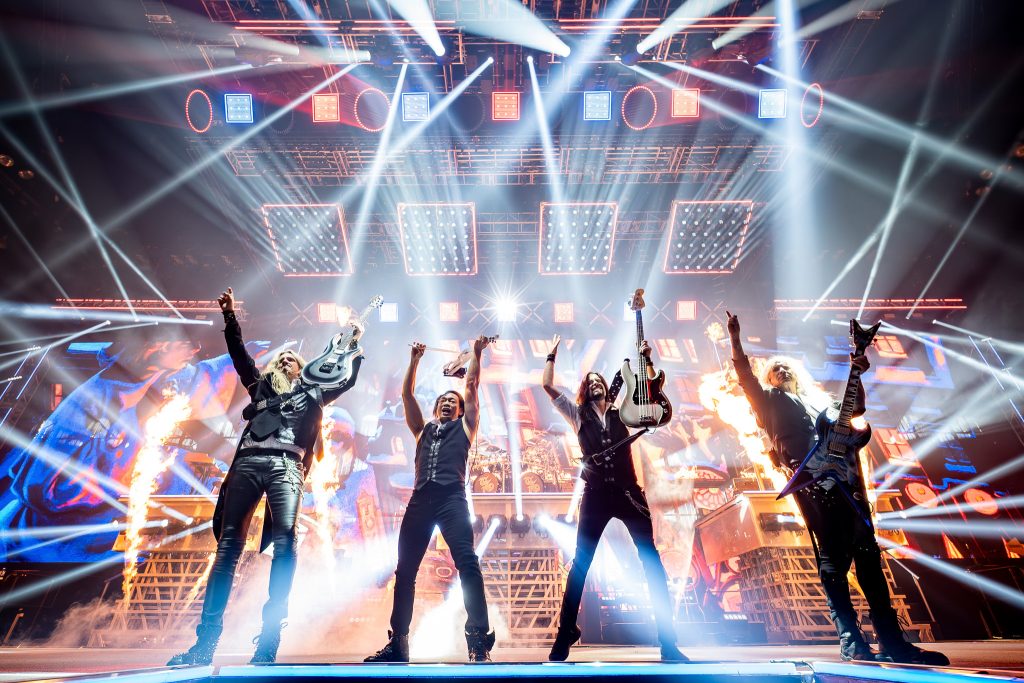
Vocalists such as Chloe Lowrey and Jeff Scott Soto carried the narrative sections with warmth and conviction. TSO’s singers tend to blend rock musicality with Broadway-style emotional projection, and that mix was especially effective in the quieter moments of Ghosts of Christmas Eve. The diversity of the vocalists is one of the elements that seemed to delight this audience the most. Year in and year out, these singers never cease to impress.
The stillness never lasts long at a Trans-Siberian Orchestra show. Minutes later, the stage erupted again in a blaze of color and sound. The second half of the concert leaned more heavily into the band’s rock-centric side, with instrumental showcases that felt looser and more celebratory. The musicians interacted with the crowd, gesturing for cheers as they traded solos and riffs. It’s easy to forget amid the holiday themes that TSO is powered by some genuinely exceptional rock players, and they make sure you don’t forget for long.
One of the most striking elements of the night was how effortlessly the band made the cavernous Delta Center feel intimate. Despite the scale—towering screens, roaring fire, sweeping light rigs—there were frequent small connections: a guitarist kneeling at the edge of the stage to greet a young fan, vocalists exchanging nods with the front rows, the narrator speaking directly to the crowd with a tone that felt personal rather than projected. There were a few times members of Trans-Siberian Orchestra would make their way to the arena floor, playing their instruments or singing their songs. Fans were quick to pull out their phones to get footage of these artists being so close to them. TSO walks a careful line between Broadway-style presentation and rock-concert looseness, and in Salt Lake City, they balanced it well.
The finale, as always, carried the blend of bombast and emotion that defines the group. “Christmas Eve/Sarajevo 12/24†arrived like a final thunderclap, with lights firing in every direction and the musicians giving every ounce of remaining energy. The audience rose to their feet instantly—some dancing, some cheering, some simply absorbing the sensory overload with wide smiles. It wasn’t just a song; it was a culmination, the climactic moment of a night built on escalation.
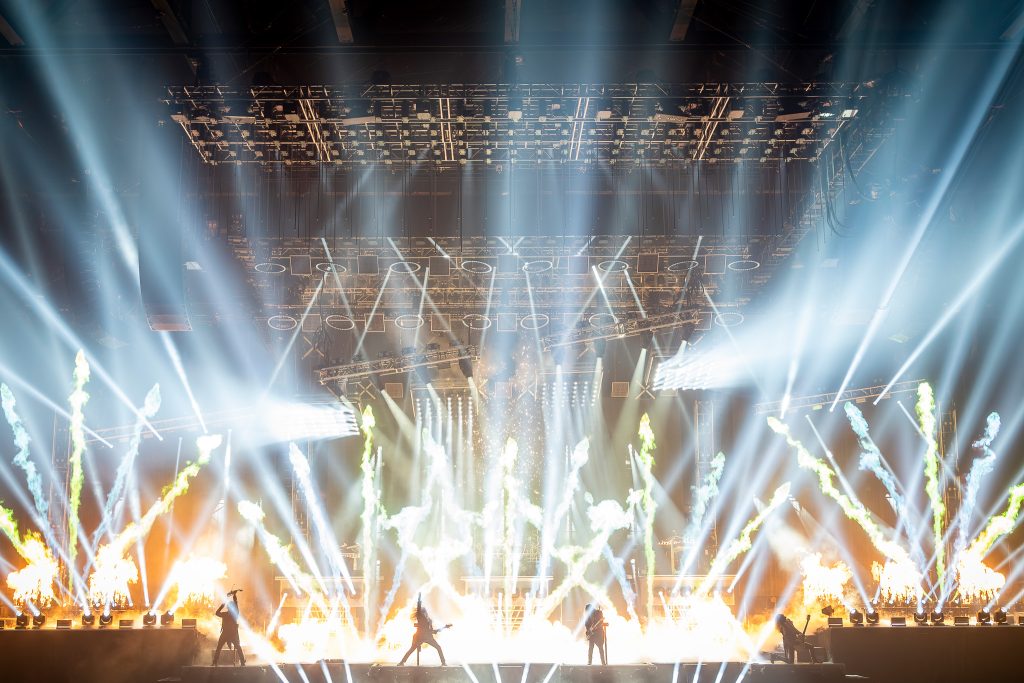
When the last notes faded and the band took their bows, the applause felt both appreciative and affectionate. Trans-Siberian Orchestra may be known for its pyrotechnics, but its real power lies in how it makes audiences feel: nostalgic, exhilarated, connected, awakened to the emotional electricity of the season. At the Delta Center, “Ghosts of Christmas Eve†wasn’t just a performance. It was a tradition renewed, delivered with all the fire and heart that fans have come to expect—and all the craftsmanship that keeps them coming back year after year.